
Artificial turf gets pitched as a straightforward water-saving swap, and in a lot of ways it is — no mowing, no summer watering bill on that section of yard, and it stays green through a drought restriction that would otherwise leave natural grass struggling. But it’s not a drop-in replacement for every lawn, and the honest answer to “should I put turf here” depends on exactly where “here” is, which is the part most installers skip past to get to the sale.
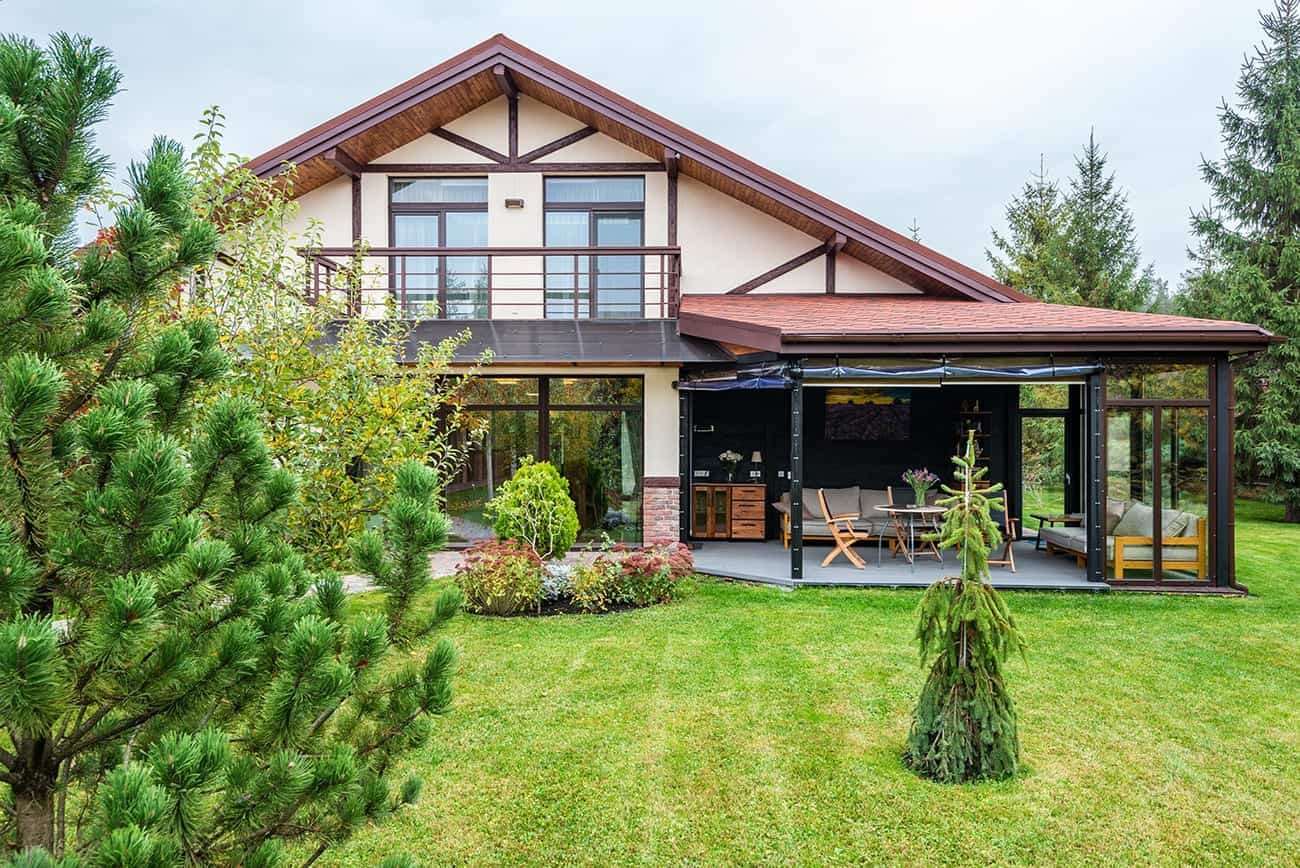
Example image for illustration — not an actual completed Rooted Landscape Co. project.
What’s Included in an Artificial Turf Installation?
Site prep and grading. Turf performance depends almost entirely on what’s underneath it — proper excavation, a compacted base, and correct grading for drainage matter more here than the turf product itself. Skip this step and you get a lawn that puddles or shifts within a year or two.
Drainage layer. In a desert climate, drainage still matters — monsoon downpours are short but intense, and turf installed without a permeable base and proper runoff path will pool water on the surface during a real storm.
Turf selection. Pile height, density, and color blend vary by intended use — a small decorative strip, a dog run, and a play area all call for different specs.
Infill and seaming. Infill affects drainage, feel underfoot, and odor control (especially relevant for pet areas); seams are finished so the transitions aren’t visible.
Does Artificial Turf Get Too Hot to Use in a Las Cruces Summer?
Yes, and we’d rather tell you that up front than have you find out the hard way. Synthetic turf sitting in direct summer sun gets noticeably hotter to the touch than natural grass in the same spot — it’s a real trade-off, not a myth. That doesn’t rule turf out, but it does change where it makes the most sense: a shaded side yard, a dog run used mostly morning and evening, a small accent area, or a play space with some shade coverage all hold up better than a full, unshaded backyard someone plans to lounge on barefoot at 3pm in July. We’ll tell you honestly if a spot you’re considering is a poor fit rather than just taking the job.
Artificial Turf vs. Sod vs. Xeriscaping — Which Fits Which Spot?
These aren’t competing options so much as three tools for different jobs, and most Las Cruces yards end up using more than one.
- Artificial turf makes sense where you want a consistently green, low-maintenance surface that holds up to regular foot traffic or pets, and where the heat trade-off above is manageable for how the space gets used.
- Sod (real grass) is worth it for the few situations where a genuinely soft, cool, natural lawn matters more than water use — see our planting page for sod installation.
- Xeriscaping is usually the better long-term fit for larger areas where the goal is water savings and low maintenance without needing a lawn-like surface at all — see our full xeriscaping page and the turf vs. artificial grass guide for a fuller comparison.
| Option | Best For | Water Use |
|---|---|---|
| Artificial turf | Dog runs, play areas, small accent spaces | Lowest (occasional rinsing only) |
| Sod (real grass) | Soft, cool, natural lawn feel | Highest |
| Xeriscaping | Larger areas prioritizing water savings | Lowest long-term |
A common, practical combination we install often: artificial turf for a small dog run or play area, xeriscaping with rock and native plants for the rest of the yard.
Frequently Asked Questions
Does artificial turf need any water at all?
Occasional rinsing to clear dust and, for pet areas, to manage odor — a small fraction of what a natural lawn needs, but not literally zero.
Is artificial turf pet-friendly?
Yes, with the right infill and drainage design specifically for pet use — that’s a detail worth discussing at the site visit if you have dogs.
How long does artificial turf last?
It depends on product quality, sun exposure, and traffic level. We’ll walk through realistic expectations for your specific product choice during the estimate rather than quoting a generic number that may not apply to your situation.
What does artificial turf installation cost in Las Cruces?
It depends on square footage, site prep needs, and turf product selected. Get in touch for a written estimate.
Can artificial turf be installed over an existing lawn?
The existing lawn and root layer need to be removed and the base properly prepared first — installing directly over grass leads to an uneven, poorly-draining result.
Nearby Areas We Also Serve
See the full list on Areas We Serve.
Get in touch to schedule a site visit.
Written by the crew at Rooted Landscape Co.