
Landscaping in Dripping Springs, NM
Dripping Springs is a rural Doña Ana County area at the foot of the Organ Mountains, named for the historic natural springs and trailhead now managed inside the Organ Mountains–Desert Peaks National Monument. Properties out here sit higher and further from the valley floor than most of the areas we serve, which shapes both the soil and the terrain a landscape plan has to work with.
Foothill Terrain Means Rockier Ground and Real Slope
This close to the mountains, ground is typically rockier and coarser than valley soil, and lots often have genuine grade change rather than a flat building pad. That combination changes both planting (rockier soil drains fast but holds little water) and drainage design (runoff off a slope behaves differently than runoff on flat ground) — we assess both on site rather than applying a flat-lot template.
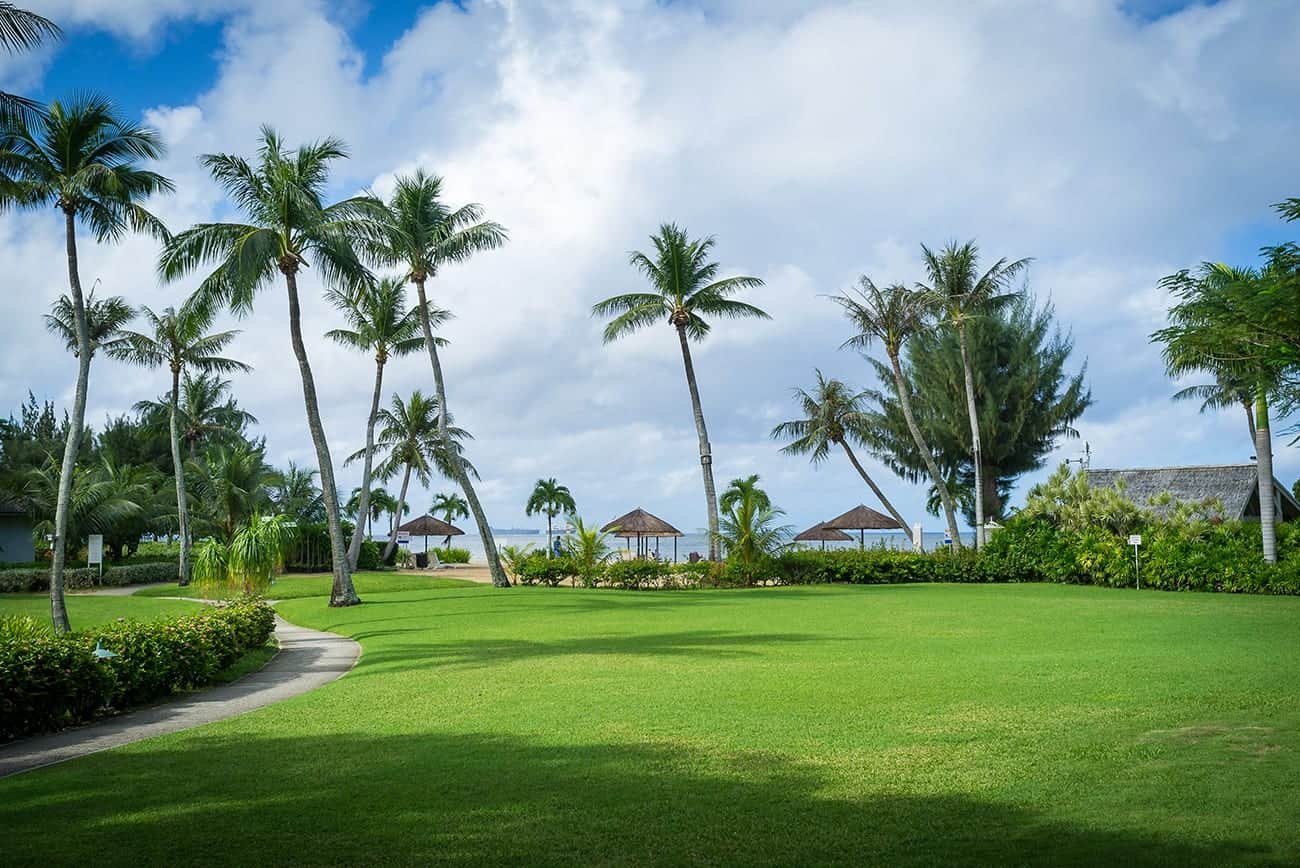
Example image for illustration — not an actual completed Rooted Landscape Co. project.
Desert-Native Landscaping Fits the Setting
Given the location right against the national monument, native and desert-adapted planting isn’t just water-wise here — it’s the plant palette that already surrounds every property. We lean into that rather than fighting it with anything that needs heavy irrigation or doesn’t belong in this terrain.
Does Foothill Terrain Change the Landscape Plan in Dripping Springs?
Yes — rockier, coarser ground and real grade change here affect both planting and drainage design, so we assess the actual slope and soil on site rather than applying a flat-lot template.
| Factor | Dripping Springs Specifics |
|---|---|
| Terrain | Foothill, often genuine grade change |
| Soil | Rockier, coarser, fast-draining |
| Plant palette | Native, desert-adapted fits the setting |
Services We Provide in Dripping Springs
Xeriscaping
This close to the Organ Mountains–Desert Peaks National Monument, native and desert-adapted planting isn’t a stylistic choice — it’s the plant palette already surrounding every property. Drought-tolerant native plants, efficient drip irrigation, and mulch work with the terrain instead of against it. A question that comes up honestly here: is xeriscaping actually worth it, or is it better to just keep some grass? Given the elevation, volcanic-influenced rocky soil, and extreme day-to-night temperature swings this area sees, a conventional lawn is a genuinely poor fit — this is one of the clearer cases where the answer favors xeriscaping without much hedging.
Drainage & Grading
Foothill terrain this close to the mountains almost always means real slope, not a flat building pad, and volcanic-tuff-influenced ground doesn’t absorb water the way valley soil does. Grading and erosion control matter on nearly every property here — a common homeowner concern elsewhere (“how do I stop my yard from washing out after a hard rain?”) applies with extra force on sloped, rocky mountain-foothill ground, where runoff moves fast and takes soil with it if the grade isn’t managed properly.
Irrigation
Drip irrigation sized to rocky, fast-draining soil, with realistic scheduling given how little water this ground actually holds compared to valley soil. Many properties out here also rely on private well systems, which we confirm and design around directly.
General Maintenance & Yard Cleanup
Seasonal cleanup and pruning suited to native, low-water plantings rather than a conventional lawn-care routine, plus periodic bed and rock maintenance.
Landscape Design
Design starts with slope and existing native growth here, not a blank-slate plant list — the terrain and monument-adjacent setting largely dictate what belongs.
Rock, Gravel & Mulch Installation
Decorative rock that matches the area’s existing volcanic-influenced material, rather than importing something visually out of place next to a national monument.
Planting
Native tree and shrub installation chosen for wind, slope, and extreme temperature-swing tolerance.
Hardscaping
Retaining walls and walkways that manage grade change on sloped, rocky lots.
Outdoor Living
Shade structures and simple seating areas that work with the natural setting rather than against it.
Artificial Turf
Rarely the right fit for a full lawn here given the terrain and setting — see Artificial Turf for where it can still make sense in a small accent area.
Landscape Renovation
Often means correcting drainage or irrigation that was designed for flatter ground before any replanting — see Landscape Renovation.
Frequently Asked Questions
Does a sloped, rocky lot near the mountains need different drainage planning?
Often, yes. Runoff moves differently on grade than on a flat lot, and rockier foothill soil doesn’t absorb water the way valley soil does. We walk the actual slope and drainage path on site before recommending anything.
Do you only plant native species out here?
We lean heavily toward native and desert-adapted plants given the setting, but the right plan depends on what you want from the space — we’ll tell you honestly what will and won’t thrive in this terrain.
How do I get a quote for a property in Dripping Springs?
Contact us to schedule a site visit — every quote is written and states exactly what’s included before any work starts.
Nearby Areas We Also Serve
Organ, Las Cruces — see the full list on Areas We Serve.
Get in touch to schedule a site visit.
Written by the crew at Rooted Landscape Co.