
Tree & Plant Installation in Las Cruces, NM
Planting a tree or shrub in Las Cruces isn’t just digging a hole and setting it in — matching the right species to this specific climate and planting it correctly around caliche is what determines whether it’s still alive in two years. This page covers the plant-installation service itself; for a full water-wise redesign of a yard, see Xeriscaping, and for a complete new landscape plan, see Landscape Design & Installation.
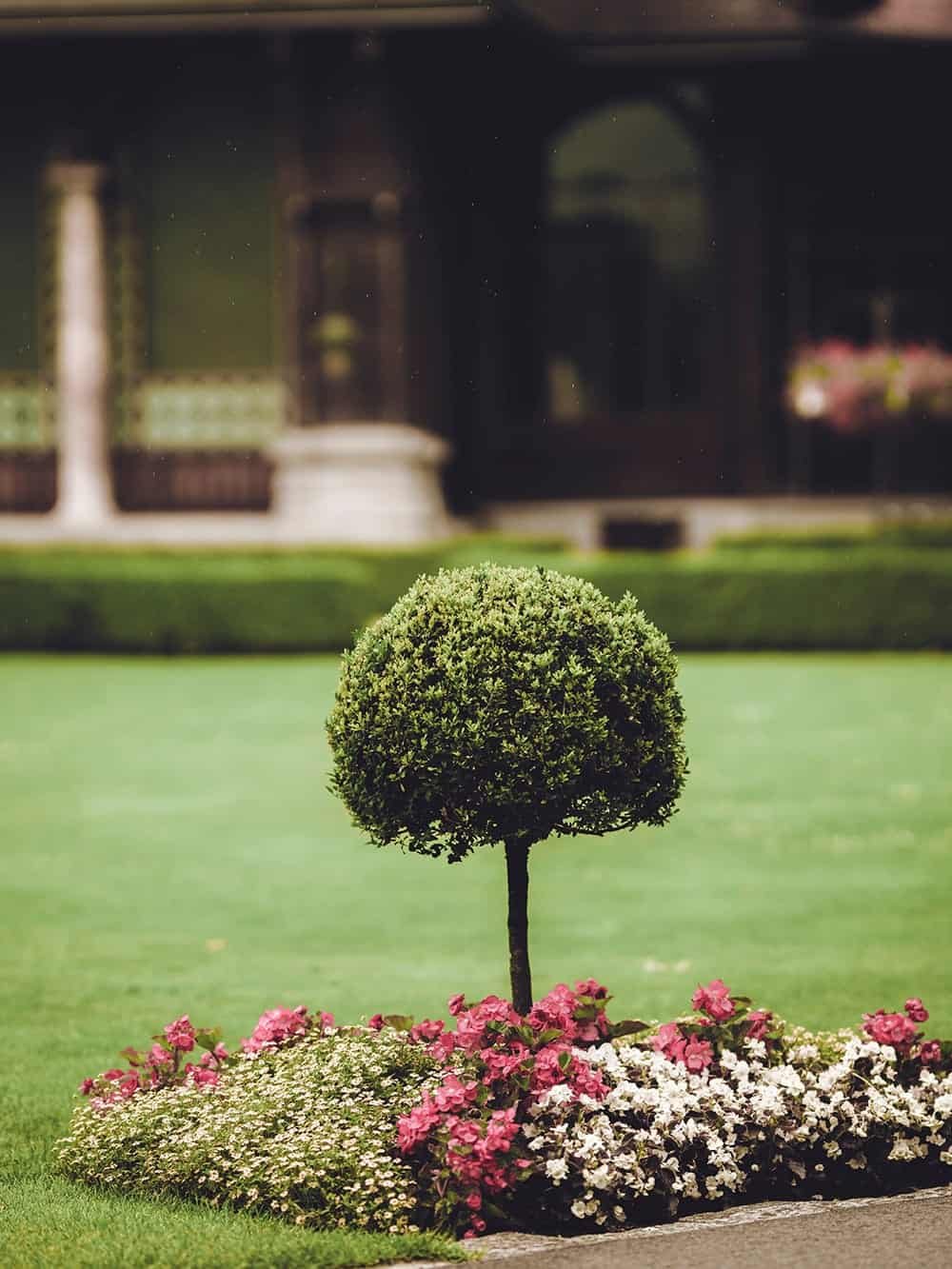
Example image for illustration — not an actual completed Rooted Landscape Co. project.
Why Do So Many New Plantings Fail in Las Cruces?
Most new-planting failures come down to a mismatch between the plant and the site, or caliche blocking root growth and drainage — not bad luck. Most Las Cruces is in USDA Hardiness Zone 8a or 8b, and per NMSU Extension guidance, a lot of tree and shrub problems in New Mexico come down to the wrong species for the soil, sun exposure, or available space. On top of that, caliche — the hard, cemented soil layer common across Las Cruces — blocks root growth and drainage if a planting hole isn’t dug and prepared properly. We check for caliche depth and confirm plant selection against your specific site conditions before anything goes in the ground.
| Common Planting Mistake | Why It Matters |
|---|---|
| Hole sized to the pot, not the root system | Compacted or caliche-affected soil blocks root spread |
| Planting too deep | Common cause of later decline |
| Fertilizer in the planting hole | Can burn young roots with concentrated salts |
| Shallow, frequent watering | Trains roots to stay near the surface, the opposite of what survives a Las Cruces summer |
How Do We Plant Trees and Shrubs in Las Cruces?
Per NMSU Extension guidance, planting technique matters as much as plant choice — the hole size, planting depth, and watering pattern decide whether a new planting survives.
- The hole is dug wide and deep enough to accommodate the root system, with compacted or caliche-affected soil broken up well beyond the root ball itself — not just a hole the exact size of the pot.
- Plants go in at the same depth they were growing in the nursery container — planting too deep is a common cause of later decline.
- No fertilizer goes directly in the planting hole, which can burn young roots with concentrated salts.
- New plantings get watered deeply rather than frequently and lightly — shallow, frequent watering trains roots to stay near the surface, which is the opposite of what a plant needs to handle a Las Cruces summer.
What Do We Plant in Las Cruces Yards?
We work with drought-tolerant and desert-adapted trees, shrubs, and groundcover suited to this specific climate and hardiness zone — not a generic national plant list. See our Xeriscaping page for more on water-wise plant selection, and our Resources page for the NMSU Extension guides we draw this guidance from directly.
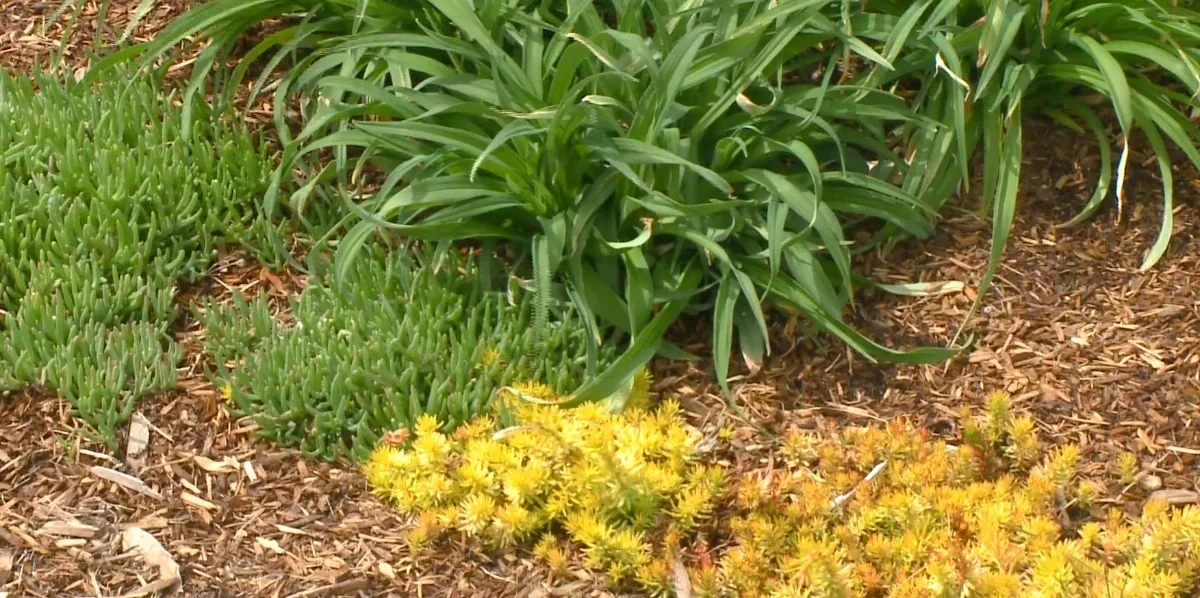
Example image for illustration — not an actual completed Rooted Landscape Co. project.
Where We Plant in Las Cruces
See our full service area, including Las Cruces, Mesilla, and East Mesa.
Frequently Asked Questions
How Deep Should a Planting Hole Be in Las Cruces Soil?
Wide and deep enough to accommodate the full root system, with compacted or caliche-affected soil broken up well beyond the root ball itself — not just a hole sized to match the nursery pot.
Why Shouldn’t You Put Fertilizer in a New Planting Hole?
Fertilizer placed directly in the planting hole can burn young roots with concentrated salts — it is left out of the hole itself for that reason.
Should New Plants Be Watered Lightly and Often, or Deeply and Less Often?
Deeply and less often. Shallow, frequent watering trains roots to stay near the surface, which is the opposite of what a plant needs to survive a Las Cruces summer.
Do You Only Plant Native Species, or Desert-Adapted Plants Too?
Both — we work with drought-tolerant and desert-adapted trees, shrubs, and groundcover suited to this specific climate and hardiness zone, not a generic national plant list.
Get in touch to schedule a site visit and talk through what will actually grow well in your yard.
Written by the crew at Rooted Landscape Co.
Related guides: Best time to plant a tree