
A landscape design and installation project starts with a site visit, not a plant list. Before anyone talks about what to plant, the real work is figuring out where the sun sits in July, where water actually drains after a monsoon downpour, how deep the caliche layer runs under your specific lot, and what your household actually uses the yard for. Skip that step and you get a design that looks right on paper and struggles in the ground within a year.
Landscape design and installation, done properly, covers three things: a site assessment, a written plan you approve before any digging happens, and the installation itself — softscape (plants, turf, beds) and hardscape (patios, walls, walkways) working together instead of getting bolted on separately.
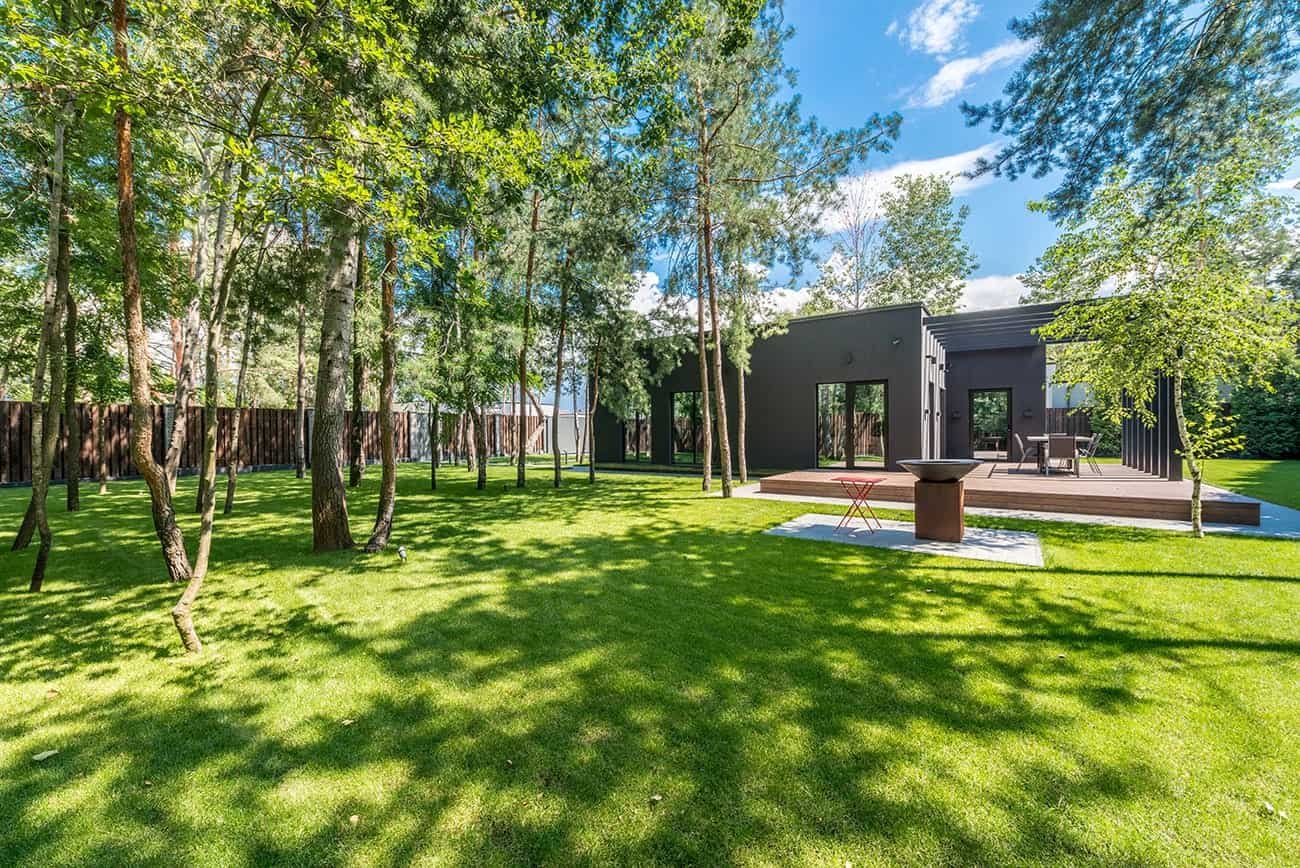
Example image for illustration — not an actual completed Rooted Landscape Co. project.
What’s Actually Included in Landscape Design & Installation?
A full project covers site analysis, a written plan you approve, and installation — softscape and hardscape working together, not bolted on separately.
- Site analysis. Sun exposure by season, wind direction, existing drainage patterns, soil type and caliche depth, and what’s already alive and worth keeping. This is also where a real conversation happens about how you use the space — a yard for two adults who garden on weekends gets a different plan than one built around kids, dogs, and low weekend maintenance.
- A planting and layout plan you see before anything is dug. This is worth stating plainly: the plan is confirmed in writing before installation starts, and any change to it — a different tree, a moved walkway — gets your sign-off first, not after.
- Softscape installation. Trees, shrubs, groundcovers, and turf or turf alternatives, planted at the right depth and spacing for Las Cruces’ soil and heat — not generic spacing pulled from a planting guide written for a different climate.
- Hardscape integration. Where a design calls for a patio, walkway, or retaining wall, that gets planned alongside the planting layout from the start. See our Hardscaping & Outdoor Living page for the full range of options.
Why Can’t a Las Cruces Design Just Copy a Generic Template?
Two things make landscape design here different from most of the country — caliche soil and the local hardiness zone — and both change real decisions in the plan, not just the plant list.
| Factor | Las Cruces Spec |
|---|---|
| Caliche depth | Can start a few inches to several feet down |
| Recommended planting hole (large tree, caliche present) | Up to 6 ft deep × 8 ft wide (NMSU Guide A151) |
| Backfill organic matter | 2-4% |
| Minimum drainage rate | 1 inch per hour |
| USDA Hardiness Zone / winter lows | Zone 8a/8b — typically 10°F to 20°F |
The soil. Much of Las Cruces sits over caliche — a hardened layer of calcium-carbonate-cemented soil that can start anywhere from a few inches down to several feet, depending on the lot. According to New Mexico State University Extension, caliche blocks water from draining downward and physically stops roots from growing deeper, which forces a plant’s root system sideways instead (NMSU Guide A151). For a large tree, that can mean digging through the caliche layer entirely — NMSU’s own guidance suggests planting holes as deep as 6 feet and as wide as 8 feet where caliche is present, backfilled with soil carrying 2-4% organic matter, and testing that the hole actually drains at a minimum of 1 inch per hour before anything goes in the ground. Skipping this step is one of the most common reasons a newly planted tree or shrub struggles here — not the plant choice, the hole.
The climate. Las Cruces sits in USDA Plant Hardiness Zone 8a, with part of the area now mapped into 8b under the most recent USDA update, meaning winter lows typically bottom out between 10°F and 20°F, combined with intense summer heat and a monsoon season that can dump a lot of rain in a short window. A design has to account for both ends of that range.
Landscape Design vs. Xeriscaping — Are They the Same Thing?
Not quite. Landscape design is the broader process — the site plan, the layout, the mix of hardscape and softscape. Xeriscaping is a specific approach to that plan, built around minimizing supplemental water use through plant choice, irrigation zoning, and soil prep. Most designs we build here lean heavily xeriscape because it makes sense for this climate and for the City’s watering rules — but a landscape design project can also include turf areas or ornamental beds where that’s what a homeowner actually wants, as long as the water use and maintenance trade-offs are explained honestly up front. For the deep dive on the water-wise approach specifically, see our Xeriscaping page.
How Does the Landscape Design Process Work, Start to Finish?
Five steps, in order: site visit, written plan, material and plant selection, installation, and a final walkthrough.
- Site visit and assessment — walking the property, checking soil and drainage, talking through how you’ll use the space.
- Written design plan — a real layout you review and approve before any work starts, not a verbal description.
- Material and plant selection — chosen for this soil and this climate, not a generic regional list.
- Installation — softscape and hardscape built to the approved plan, with any needed changes confirmed with you first.
- Walkthrough — going over the finished space together, including basic care guidance for what’s newly planted.
Frequently Asked Questions
How long does a landscape design and installation project take in Las Cruces?
It depends heavily on scope — a small front-yard refresh moves faster than a full backyard redesign with hardscape. The design and planning phase typically takes longer than people expect because it’s where the real problem-solving happens.
Is spring or fall better for starting a landscape design project in Las Cruces?
Fall planting generally gives trees and shrubs a chance to establish root systems before the following summer’s heat arrives. Spring works too, particularly for projects that don’t involve heavy tree planting — the right timing depends on what’s actually in the plan.
Do I need a permit for a landscape design project in Las Cruces?
Most planting, bed, and small hardscape work doesn’t require a permit. Larger structural elements — retaining walls above a certain height, major grading changes — can require one depending on scope. We’ll flag it during the site visit if your specific plan needs one.
What’s included versus what costs extra?
Every plan is quoted in writing before work starts, and that quote states exactly what’s included — no charges added later that weren’t in the original scope. Get in touch for a written estimate on your specific project.
Written by the crew at Rooted Landscape Co. Technical soil and climate guidance referenced from New Mexico State University Extension publications H707 and A151.
Related guides: Landscape design principles guide · HOA landscaping guide